Mount Olympus National Park Greece: Visitor Guide and Wildlife Overview
Park setting and what makes it special
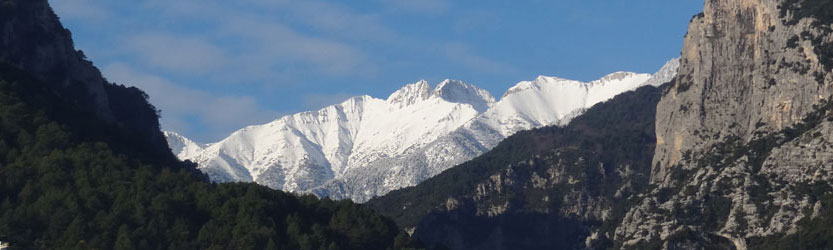
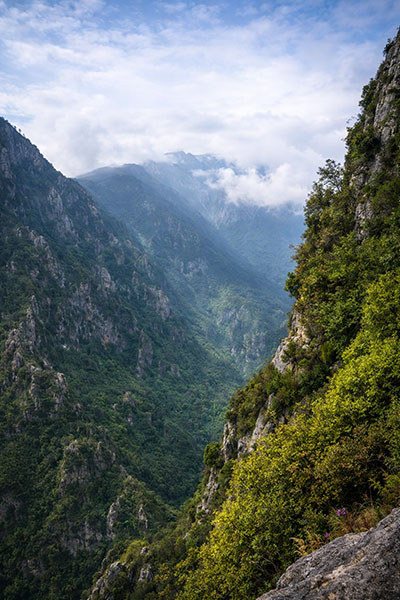
Mount Olympus National Park is a steep, deeply dissected mountain massif on the Greek mainland: low plains rise gradually to a few hundred metres, and then the foothills climb sharply into a high, rugged mountain cut by deep valleys and gorges (especially on the eastern and northern sides).
For hikers, the “big draw” is that the mountain packs a huge vertical range into a compact footprint: you can start among rivers and forested paths and end up on exposed alpine terrain within the same trip. A GNSS-based (modern satellite) re-measurement published in 2023 estimates the top of the massif—its highest summit, at 2,917.727 m relative to Greece’s officially accepted mean sea level, and notes that published elevations historically ranged from about 2,917 to 2,919 m.
Visitor infrastructure is unusually strong for a Greek mountain: marked routes connect the major trailheads, gorges, and high mountain areas, and multiple refuges provide overnight beds, food options (in season), and planning “pivot points” for summit days and crossings.
Olympus is widely known internationally for its cultural associations, but modern management and visitor material treat it primarily as a protected landscape and a destination for trekking, climbing, and nature-based tourism.
Protection status and management
Olympus has been under formal protection for decades: it was established as Greece’s first national park/“national forest” in 1938, and an operational regulation for the earlier “National Forest” framework was institutionalised in 1985.
The current, overarching legal framework is a Presidential Decree published in Government Gazette (ΦΕΚ) Δ’ 610/17-09-2021, which designates the terrestrial and aquatic area as a National Park, sets the purpose (protection, conservation and management of nature and landscape), and defines a zoned protection scheme: Zones A, B, C inside the park and a Peripheral Zone (Zone D) outside it.
The Ministry’s own summary emphasises that the decree provides “maximum institutional protection,” specifies permitted uses and restrictions by zone, and frames the park as a vehicle for sustainable tourism alongside strict conservation controls.
On the institutional side, management is now organised through the historic management body was integrated into N.E.C.C.A., and the Management Unit of Olympus National Park operates under N.E.C.C.A.’s Protected Areas Management Directorate (Sector A), with its operational base in Litochoro, Pieria, Preece.
Internationally, Olympus is also recognised under two major frameworks that matter to “how it’s managed” (even if you never read the paperwork):
- It is a UNESCO Man and the Biosphere (MAB) biosphere reserve (nominated in 1981) and is managed “as a national park” in that context.
- It is part of the EU Natura 2000 network: the site GR1250001 (OROS OLYMPOS) is designated under both the Habitats and Birds Directives (with EEA/EUNIS listing it as in place since October 1987).