Wildlife of Mount Olympus National Park
Olympus is not only a hiking mountain; it is also a high-biodiversity protected area where wildlife forms an essential part of the visitor experience. Encounters may be direct, such as animals spotted on cliffs, rocky slopes, or high alpine terrain, or indirect, through tracks, calls, and signs of nocturnal activity in forested and sub-alpine zones. These elements are part of what makes Olympus a living natural landscape rather than simply a destination for recreation.
The mountain’s protected status reflects the exceptional ecological value of its habitats, which range from Mediterranean foothills to alpine meadows and exposed summits. This diversity supports a wide array of species and ecological processes, many of which are sensitive to disturbance and environmental change. As a result, Olympus is recognised nationally and at EU level as an area requiring careful and coordinated protection.
The official management unit overview explicitly links this protection to the need for long-term conservation management alongside responsible visitor access. The aim is not to exclude people from the mountain, but to ensure that hiking, exploration, and tourism coexist sustainably with wildlife and habitats, safeguarding Olympus as a natural heritage site for future generations.
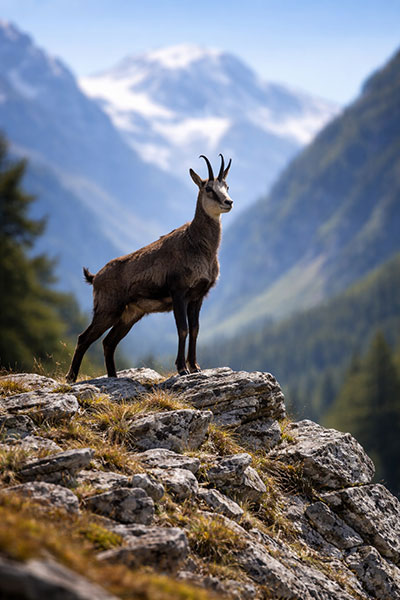
Mammals: N.E.C.C.A.’s Olympus management unit text reports over 40 mammal species recorded on Olympus, and names commonly referenced mammals such as Balkan chamois, roe deer, stone marten, wild boar, red fox, red squirrel, wildcat, and many bat species.
The same source notes that large carnivores such as brown bear and wolf are transient/occasional on the mountain and its foothills, and it highlights Balkan chamois as a particularly characteristic species of the high-altitude zone that is often observed by hikers in summer (as individuals or in herds).
From a more technical conservation angle, the management unit states that 20 mammal species present are listed under the EU Habitats Directive framework (92/43/EEC), with many of these being bats, and it cross-references threat categories used in Greece’s Red Book context (e.g., EN/VU) for selected species.
Birdlife: The N.E.C.C.A. management unit summary reports roughly 150 bird species recorded historically in the broader Olympus area, with 135 species reported in more recent years based on monitoring work it cites.
It also describes Olympus as important for raptors that use steep rocky slopes and cliffs, listing 4 examples such as short-toed eagle, buzzards, honey buzzard, golden eagle, Eleonora’s falcon and peregrine, alongside alpine specialists associated with high meadows and rock faces.
In legal-protection terms, it states that 34 bird species present are protected under Annex I of the EU Birds Directive (2009/147/EC), and that additional species fall under Greece’s Red Book framework.
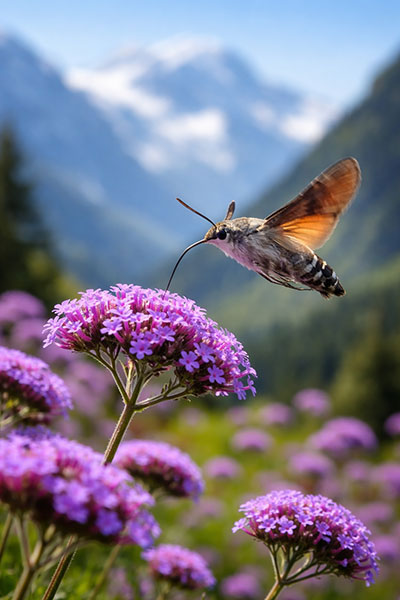
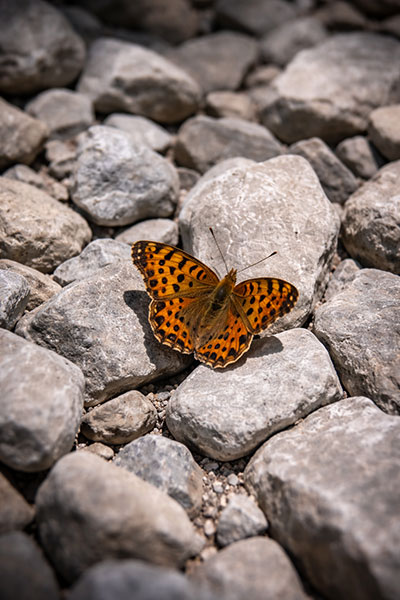
Amphibians and invertebrates (EU directives list examples): The European Environment Agency’s EUNIS factsheet for Natura 2000 site GR1250001 (OROS OLYMPOS) is useful because it presents a cross-taxa “directive species” view: amphibians (e.g., yellow-bellied toad), birds (many species), invertebrates (e.g., stag beetle and other directive-listed beetles), and mammals (including Balkan chamois and bats). It summarises that the site protects 73 species of the nature directives and 13 habitat types of the Habitats Directive.
What this means for visitors (wildlife-friendly behaviour): The legal purpose of the park explicitly includes ensuring “harmonious coexistence” of humans and nature through sustainable management measures. In practical terms, that aligns with a simple visitor approach: treat sightings as “observe, don’t interact,” avoid feeding or approaching animals, and keep noise low near cliffs and forest edges where wildlife may be resting or nesting.
Wildlife-focused links and downloads (authoritative starting points): N.E.C.C.A.’s Olympus management unit page (Greek) contains the most detailed publicly posted, management-level wildlife narrative and includes species-group sections (mammals, birds) with counts and example species.
European Environment Agency EUNIS Natura 2000 factsheet for GR1250001 (OROS OLYMPOS) (species list + habitat types + area figures).
UNESCO MAB “Mount Olympus” biosphere reserve profile (broad ecological context + designation metadata; includes wildlife counts within its biosphere-reserve framing).
EU LIFE project portal page referencing Olympus (GR1250001) in the context of bearded vulture conservation work and use of Standard Data Form information (useful if you want a conservation-programme example tied to Olympus).
Note: Mount Olympus National Park is a strictly protected area. The collection, picking, or removal of any wild flowers, plants, animals, or other wildlife is prohibited. All flora and fauna are protected by national and EU legislation, and visitors are required to leave nature exactly as they find it.